Spending hours figuring out who has access to what and reviewing content at the last minute is a common problem for artists and small teams. A lack of clear rules delays posts, creates security risks, and makes it harder to delegate tasks. Before hiring someone to manage your social media, you need to define clear passwords, permissions, and approval workflows. This post shows you how to break through this impasse and prepare your team to manage content in an organized way.
Diagnosing the pain point: where processes tend to get stuck
Small teams often end up with scattered access, passwords shared in informal conversations, and decisions made on the fly. These habits cause publishing delays, conflicts over authority, and security risks for important accounts such as Instagram, YouTube, and Spotify. Without a clear map of responsibilities, reviewing or replacing someone becomes a difficult task. Identifying these issues is the first step toward putting practical controls in place without making the routine rigid.
Deciding to change your approach: minimum rules that empower the team
Adopting simple permissions policies and approval workflows reduces friction and speeds up delivery. Establishing who publishes, who reviews, and within what timeframes makes routines predictable and makes delegation easier. Separating technical access (platforms, ads) from creative access (content, briefs) avoids mixing responsibilities. The goal is to implement measures that increase operational confidence while keeping execution agile.
What the ebook teaches: practical, actionable content
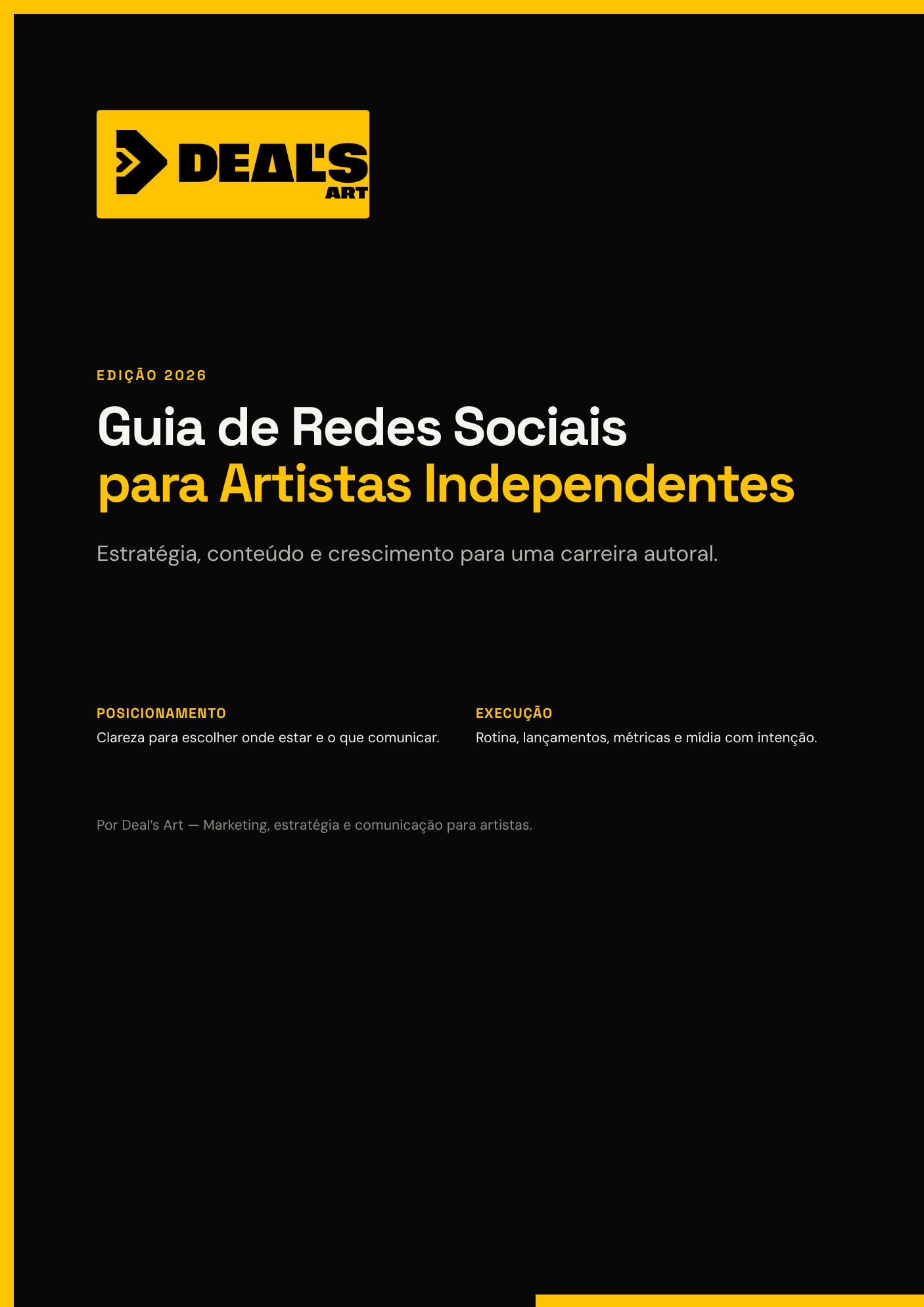
The Social Media Guide for Independent Artists includes 29 practical pages focused on strategy, content, and growth. It includes a 21-day launch plan, templates and checklists for your content routine, as well as guidance on positioning and essential channels such as Instagram, TikTok, YouTube, and Spotify. The material also covers paid media, community building, content briefs, a publishing checklist, and a bank of CTAs. There is also a 30-day action plan to help you get started without wasting time.
Practical application: how to use the guide to organize access and approvals
Use the brief and publishing checklist templates to standardize files and cut down on unnecessary revisions. The 21-day launch plan helps you rehearse a workflow with clear roles and deadlines before delegating for good. The CTA bank and publishing checklist make final checks easier for reviewers, reducing rework. Combine the 30-day action plan with the templates to implement permissions and routines in controlled steps.
Who this material is for
The guide was designed for independent artists, bands, producers, and small teams that need to delegate their content routine with less risk and more predictability. It is useful for anyone managing Instagram, TikTok, YouTube, and a Spotify presence, as well as those planning to use paid media or build a community. It also works for teams looking for ready-made templates for briefs and publishing checklists, along with a clear action plan. The content is practical, concise, and focused on immediate application.
Commercial conclusion: how to take the next step
If organizing access, passwords, and approvals is the barrier keeping you from delegating your content routine, the Social Media Guide for Independent Artists offers practical tools for structuring channels and processes. The material does not promise automatic results, but it provides plans, templates, and checklists to use with your team and reduce friction. Buying the guide is a direct step toward getting an action roadmap and starting to implement organized changes.
A consistent strategy connects creativity, context, and relationships. If you'd like to organize your next cycle with an integrated perspective, Deal's Art can help define your project's priorities.
Present my project